
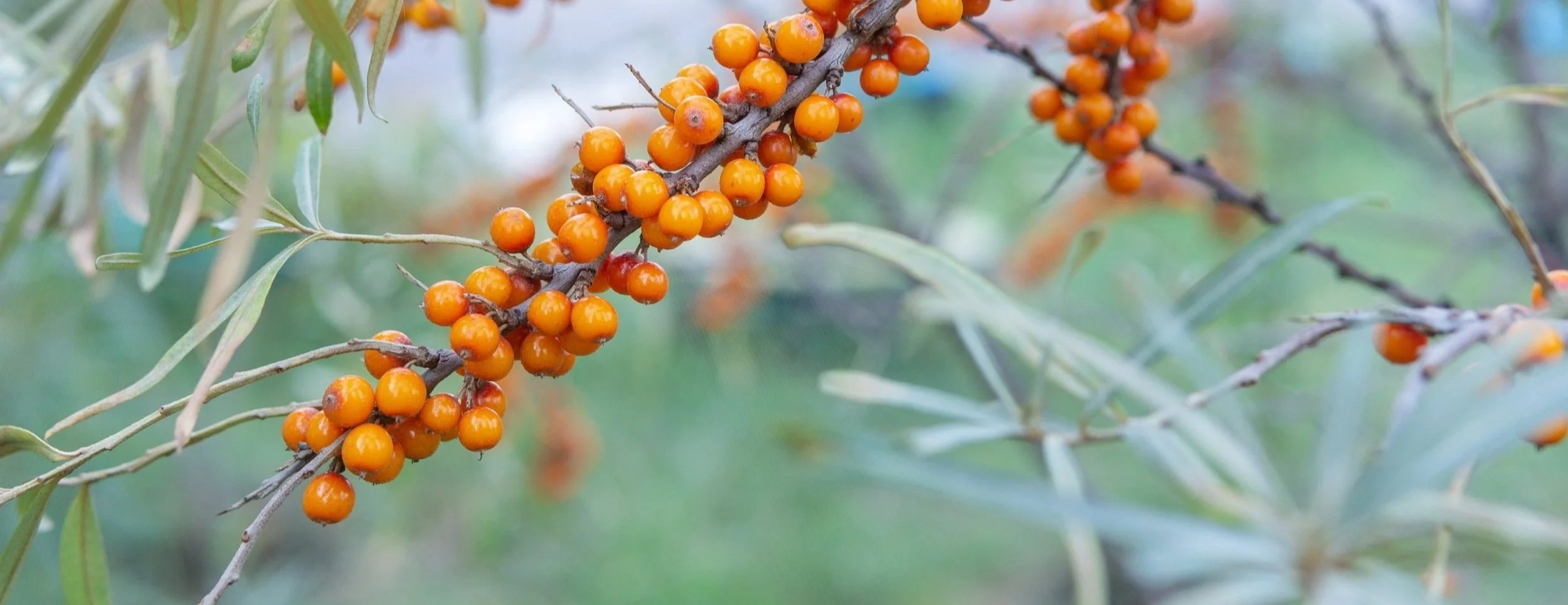
Designing a wild space for the community
The brief
1200m² a former tree nursery, now owned by a town council with a vision to turn it into a space for nature.
Design response
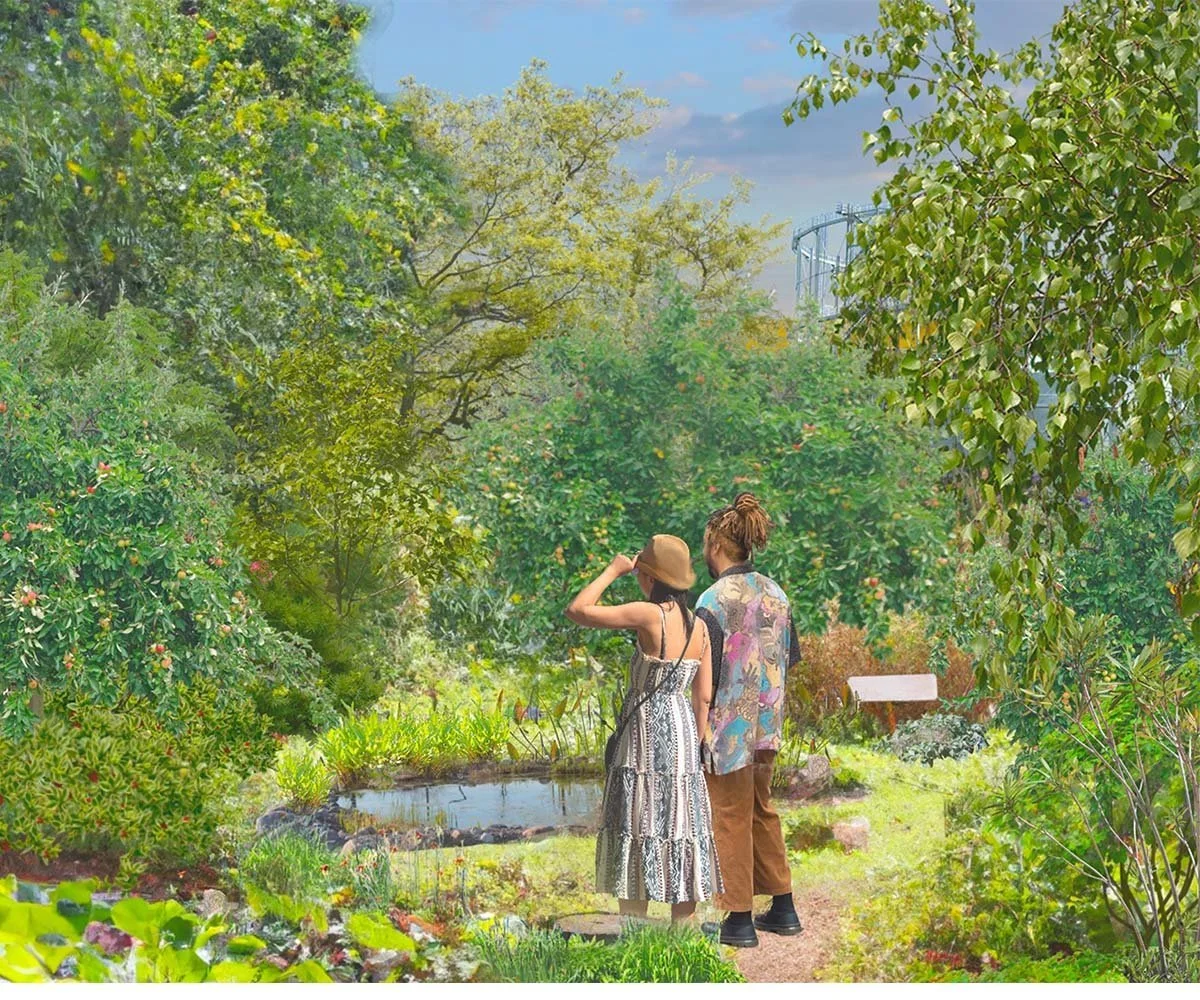
An accessible forest garden and wildflower meadow with a community food trail and spaces for quiet reflection.

“Tessa has been a pleasure to work with, full of imaginative ideas to bring our project to fruition.”

What is a Forest Garden?
Forest gardens mimic the natural ecosystem of a forest, with layers of planting from the upper canopy to the forest floor.
A forest garden is organised in up to seven ‘layers’, including tall trees, smaller trees, climbers, shrubs, herbaceous perennials, ground cover, and everything down to the rhizosphere.
Over time, these layers form a mutually supportive, resilient system.
The ground is not cultivated.
Forest garden design process
Mapping the area, existing flora and fauna and site conditions
Consultation with all who may be involved in shaping and stewarding the space
Shortlisting appropriate plants for each of the seven layers
Positioning species based on many variables, including their requirements for shelter, light, moisture, good/bad companions, mineral requirements, pollination, pest protection, etc
Implementation planning. Forest gardens can take years to establish. The role and prominence of certain plants will change over time.